


Lab Mission
The CESAR laboratory uses transdisciplinary approaches to study stress in relation to sex*gender, integrating biological, psychological, and sociocultural factors to understand how chronic stress shapes physical and mental health across diverse populations.
Central to our work is the recognition that sex and gender are not simply background variables but active determinants of health. Our research examines how biological and sociocultural factors interact to produce vulnerability and resilience, with particular attention to populations that have historically been underrepresented in health research, including 2S/LGBTQIA+ communities and persons living with chronic mental or physical health conditions.
We are committed to principles of justice, equity, diversity, and inclusion. These commitments are not peripheral to our research; they shape how we design studies, recruit participants, and disseminate knowledge. We collaborate with community organizations and research teams from the regional to the international level to ensure our findings inform inclusive, evidence-based care practices and health policies.
As researchers and professionals, we recognize that the pursuit of knowledge requires continuous reflection on and improvement of our own practices. We are grateful to receive constructive feedback from our participants, colleagues and the wider public.
History
The CESAR laboratory was founded in 2018 by Dr. Robert-Paul Juster at the Université de Montréal and affiliated with the Montreal Mental Health University Institute Research Centre (CRIUSMM). CESAR lab brings together a transdisciplinary team of students and research professionals committed to advancing knowledge on stress, sex*gender, health, and wellbeing.
Center on Sex*Gender, Allostasis and Resilience
Sex*Gender
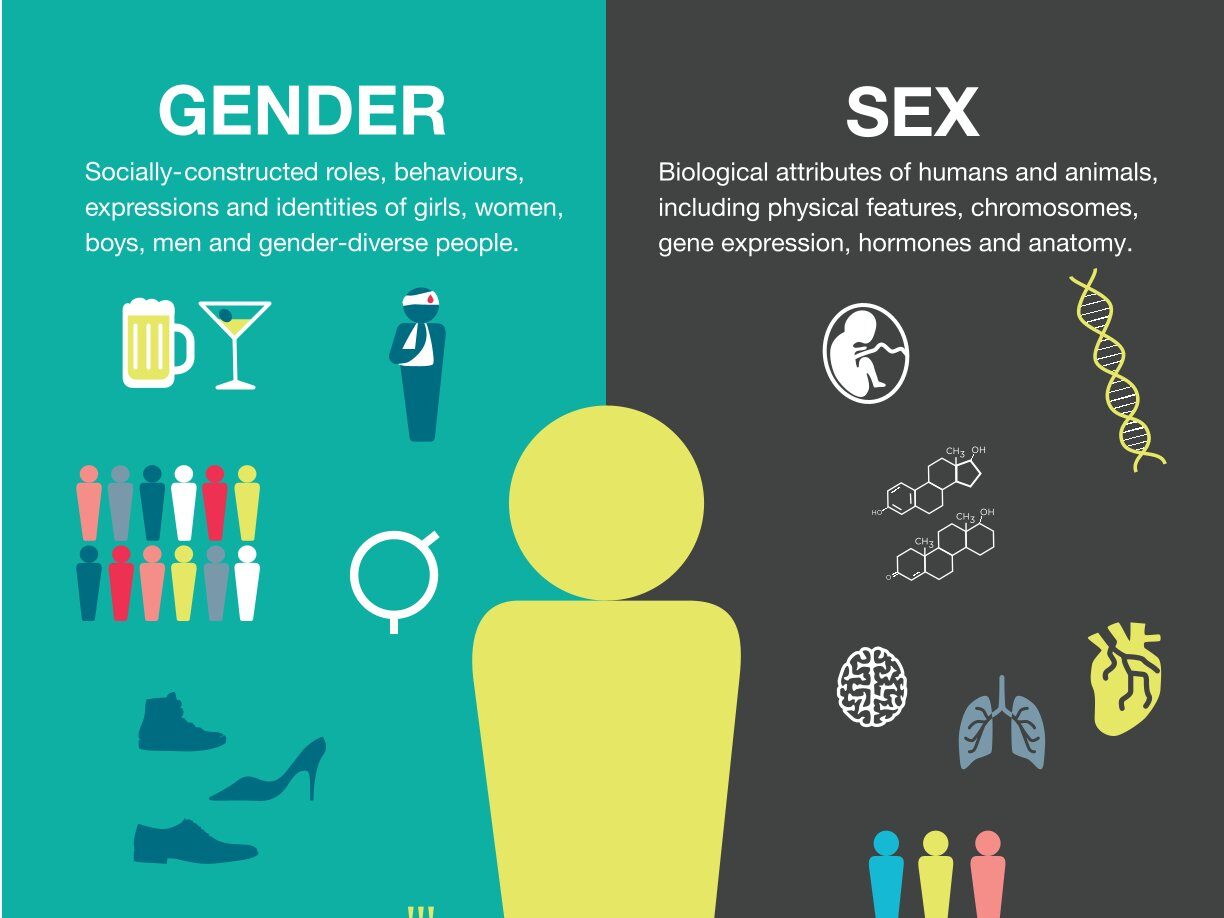
Sex and gender are related but distinct dimensions of human biology and identity. Biological sex refers to physiological characteristics such as chromosomes, hormones, and anatomy, while gender encompasses the sociocultural roles, identities, and expressions that individuals develop across their lives. The asterisk in sex*gender denotes the interaction between these two factors and their combined influence on health.
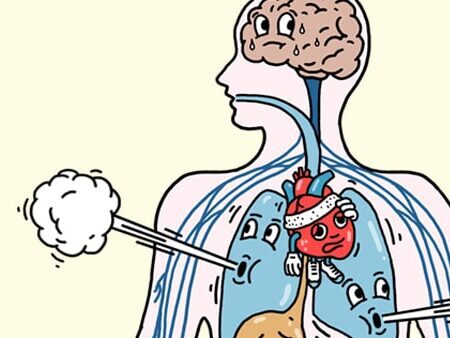
Allostasis refers to the process by which the body maintains stability in response to stress. Over time, repeated or chronic stress can overwhelm this adaptive capacity, leading to wear and tear on biological systems. This cumulative burden is called allostatic load, and it is a central measure in our research.
Allostasis
Resilience

Resilience refers to the capacity of individuals to adapt, recover, and maintain wellbeing in the face of adversity or stress. Rather than treating resilience as a fixed trait, our research examines the biological, psychological, and sociocultural factors that foster or weaken it across diverse populations.
Research Axes
Chronic Stress & Allostatic Load
We study the cumulative biological effects of chronic stress to understand how prolonged stress affects physical and mental health.
Sex & Gender in Health Research
We examine how factors related to biological sex and socio-cultural gender influence stress physiology and mental health.
2S/LGBTQIA+ Health and Wellness
We investigate how stigma and discrimination affect the physical and mental health of 2S/LGBTQIA+ people.
Cognition
We explore how biological sex, gender identity, and sexual orientation influence cognitive abilities, extending previous research to include 2S/LGBTQIA+ identities.
Biological Psychiatry
We apply stress biology frameworks to psychiatric populations, including people living with depression, schizophrenia, and eating disorders.
Funding